
Virtual staging vs physical staging for real estate listings.
Fast, architecture-preserving AI staging for real-estate professionals.

Listing benefits
Home staging research explains why both options exist.
These NAR findings are category context, not PropStage guarantees. They show why staging matters before choosing a physical or virtual workflow.
83%
Buyer visualization
Buyer agents said staging made it easier for buyers to visualize a property as their future home.
31%
Showing interest
Buyer agents said buyers were more willing to walk through a home they saw staged online.
49%
Time-on-market signal
Seller agents observed reduced time on market when homes were staged.
Virtual staging examples
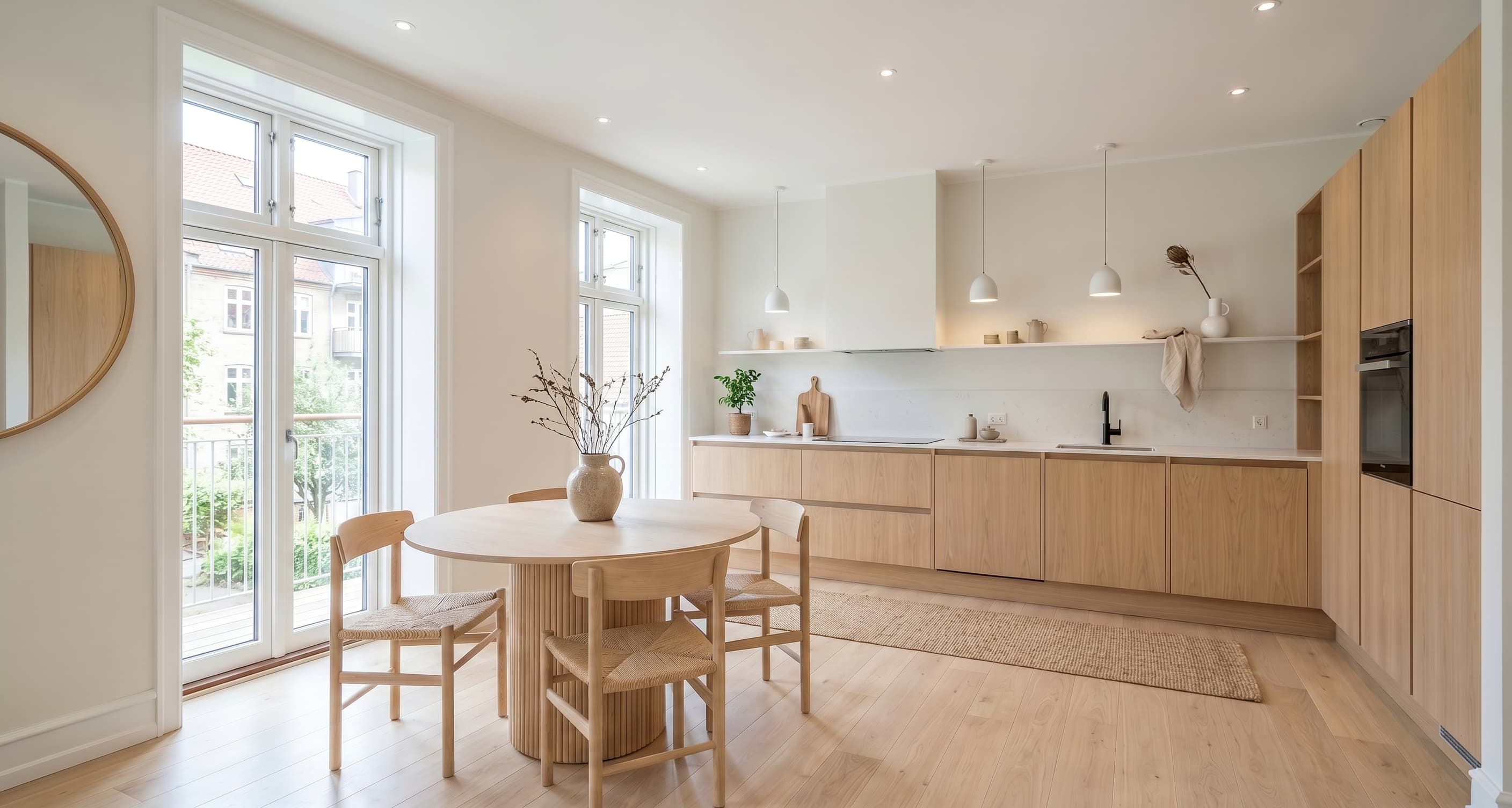
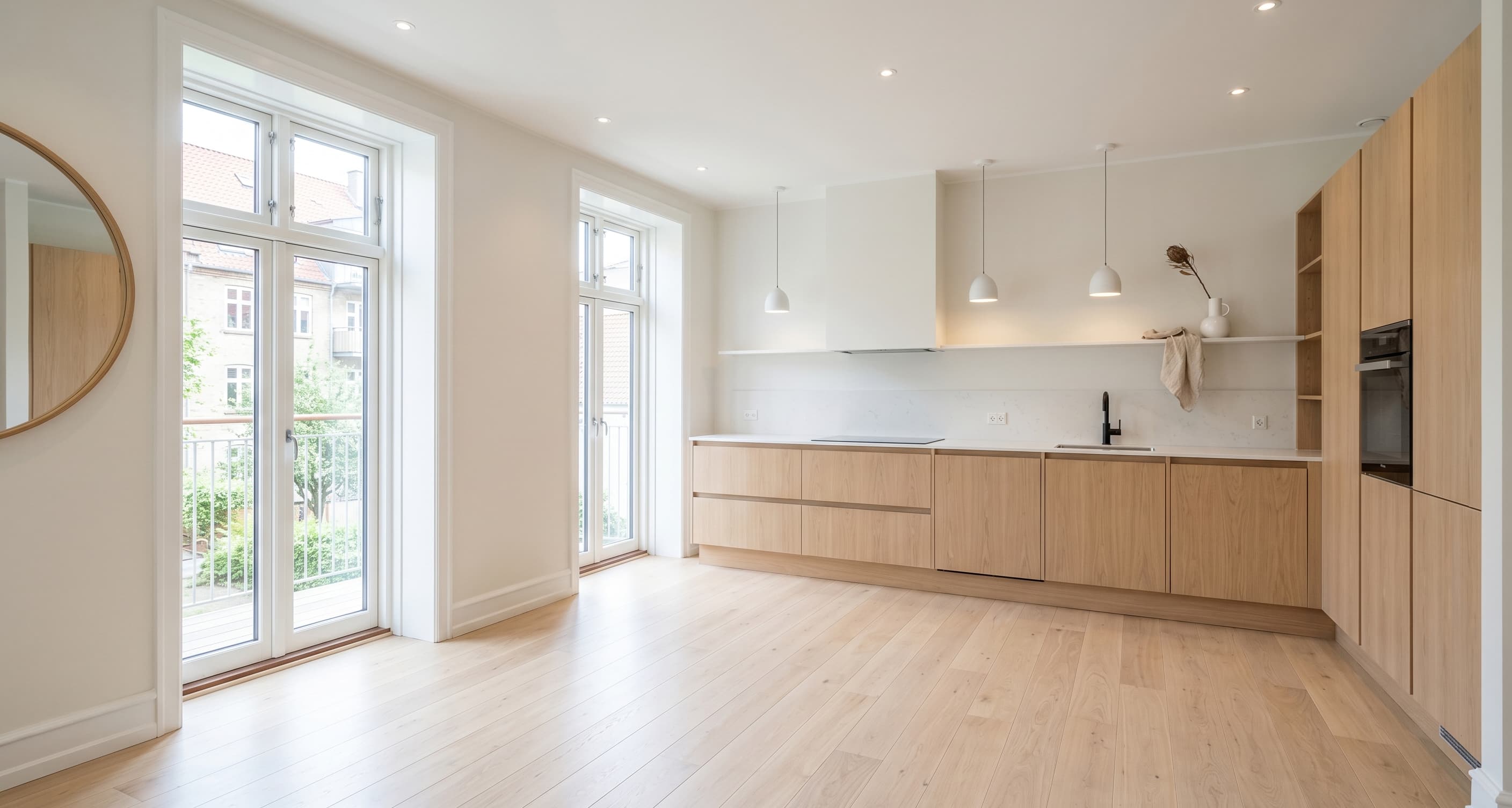
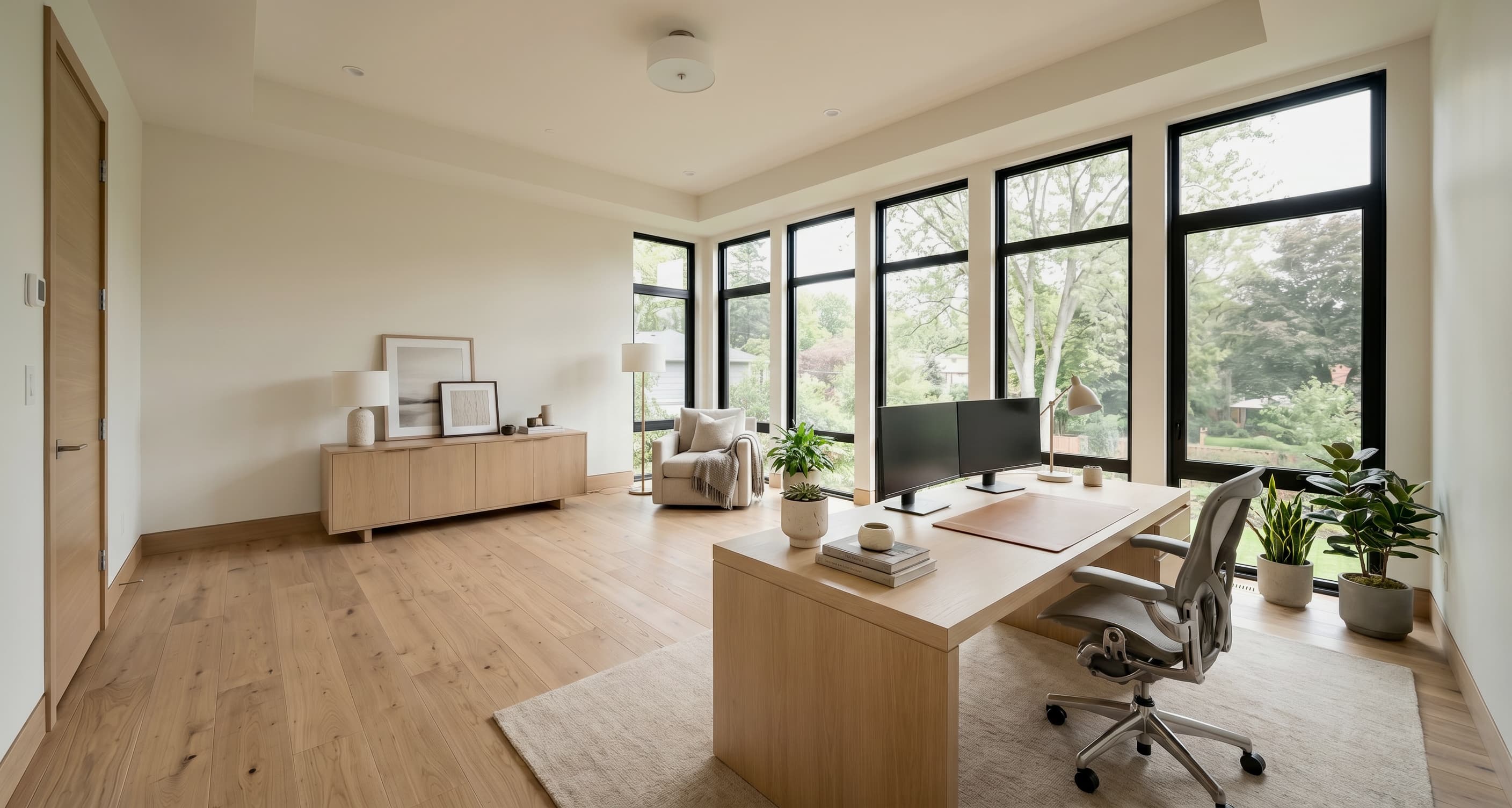
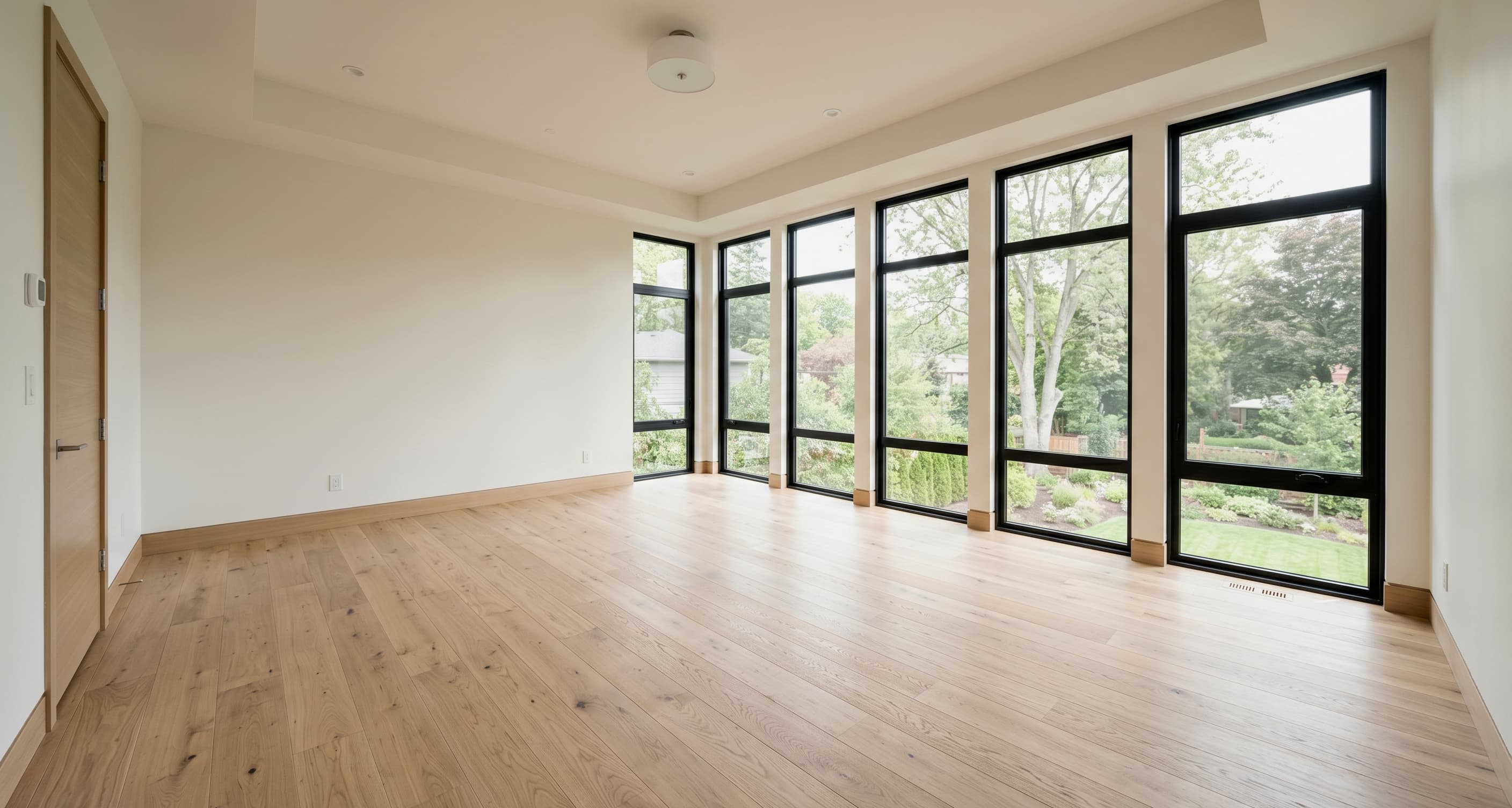
Before-and-after examples for virtual staging decisions.
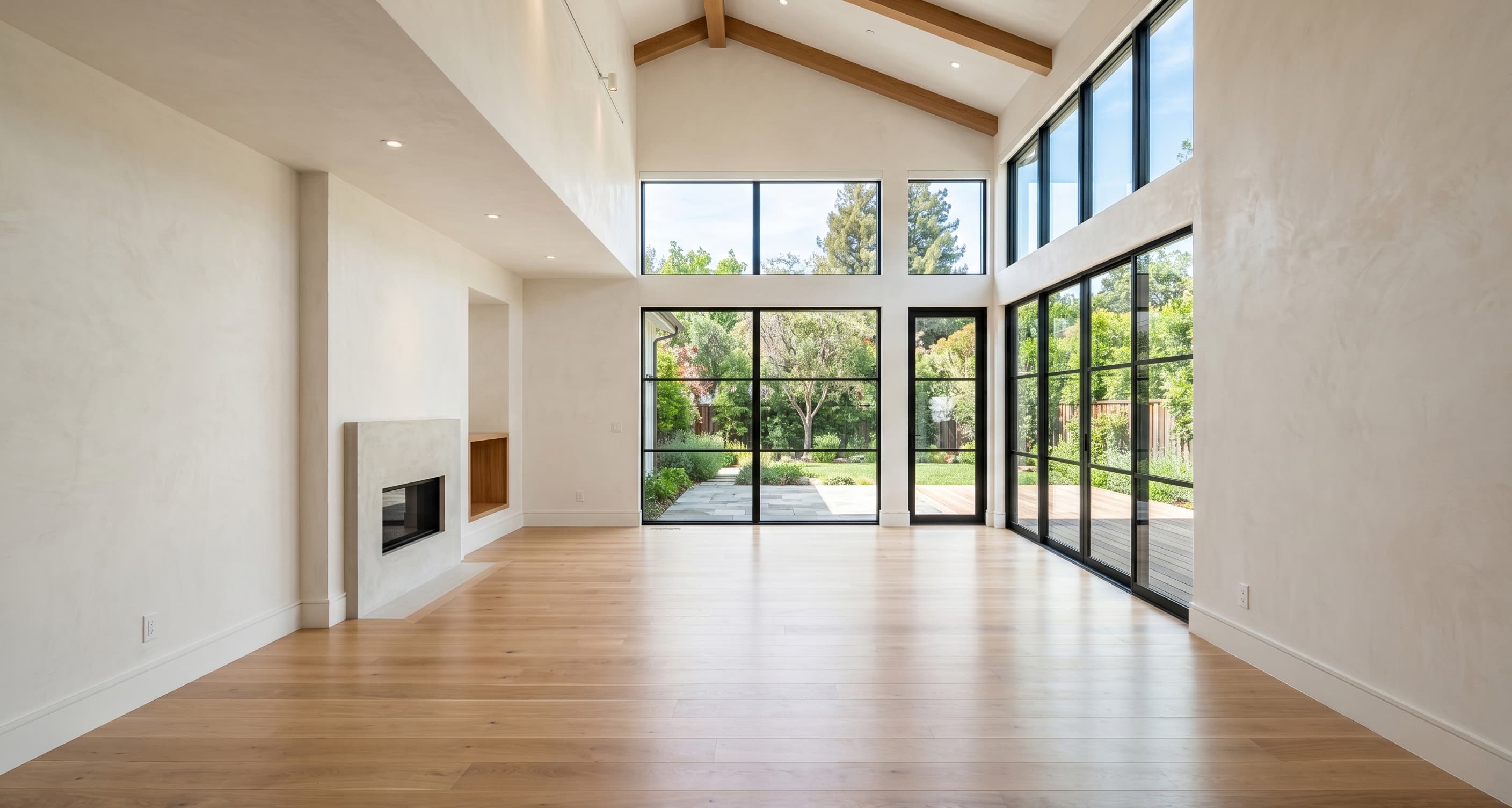
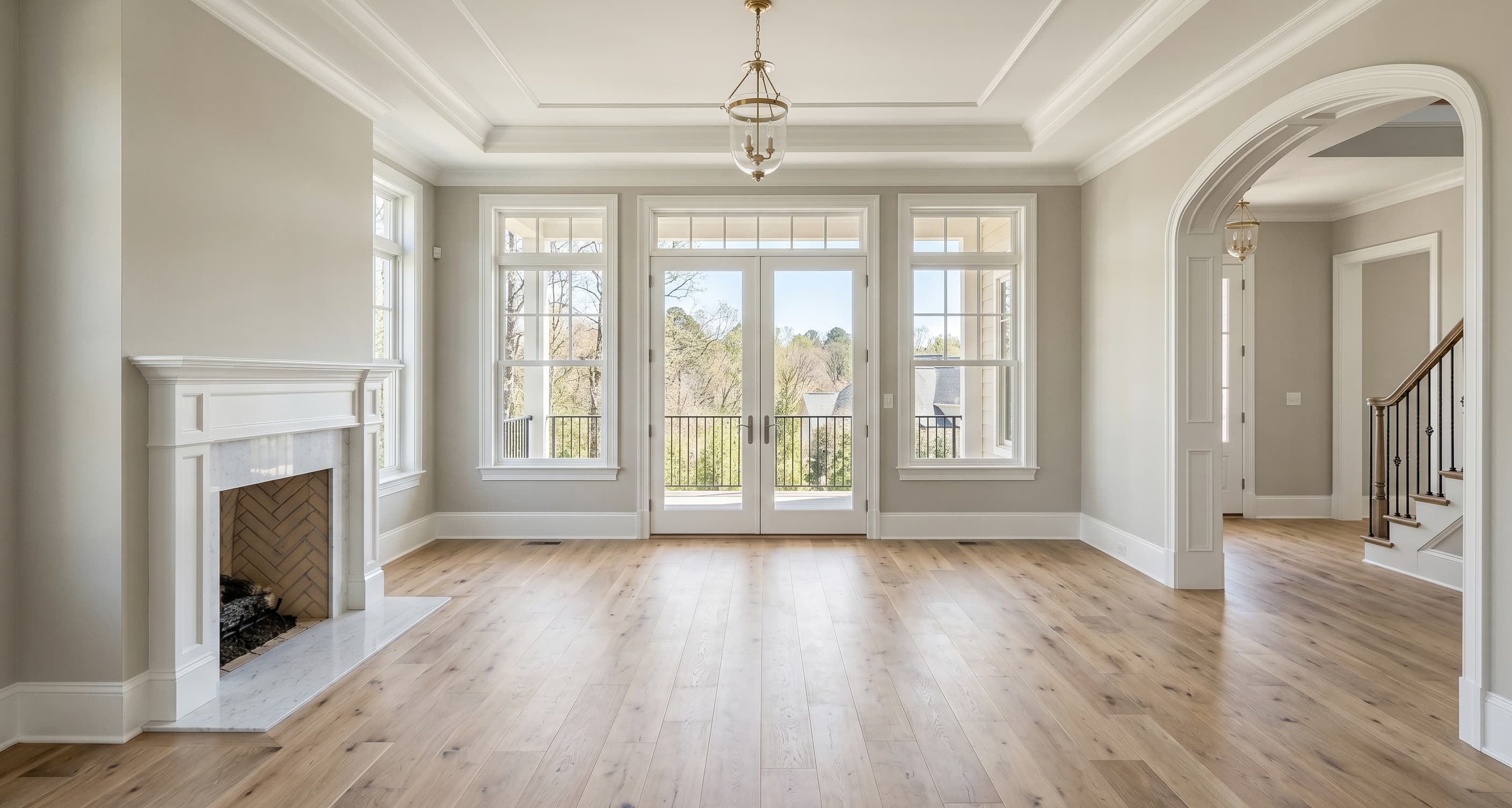
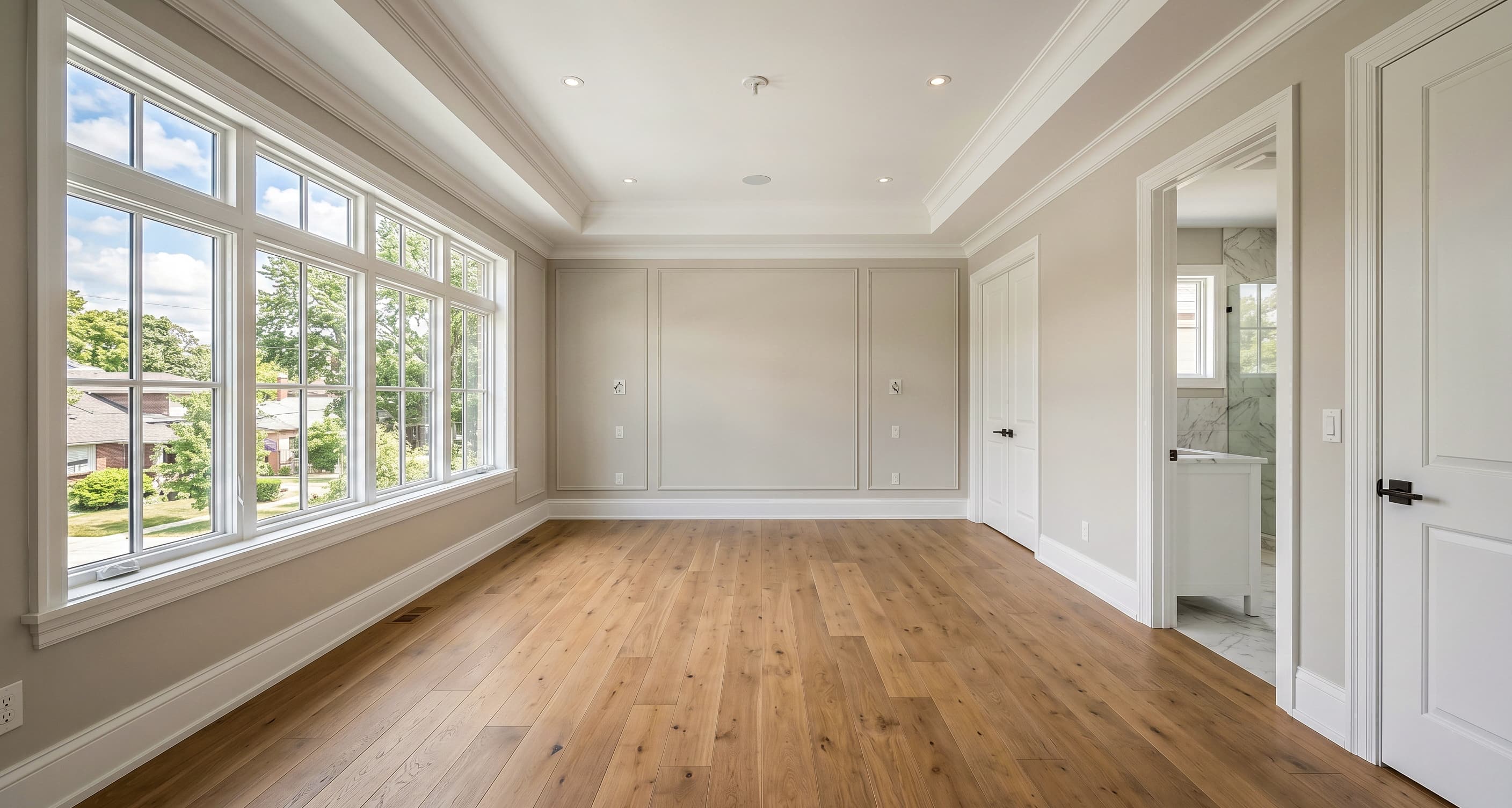
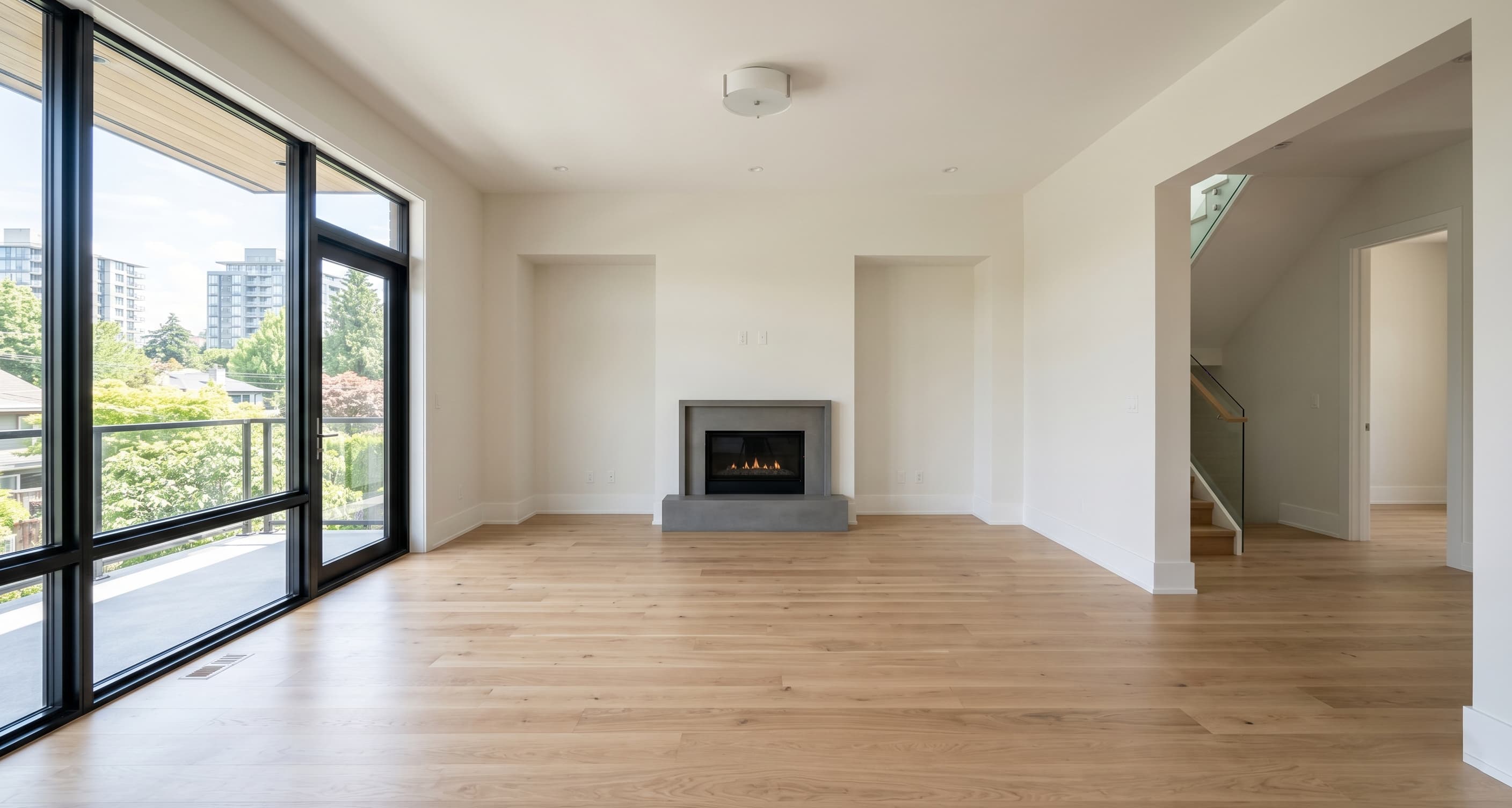
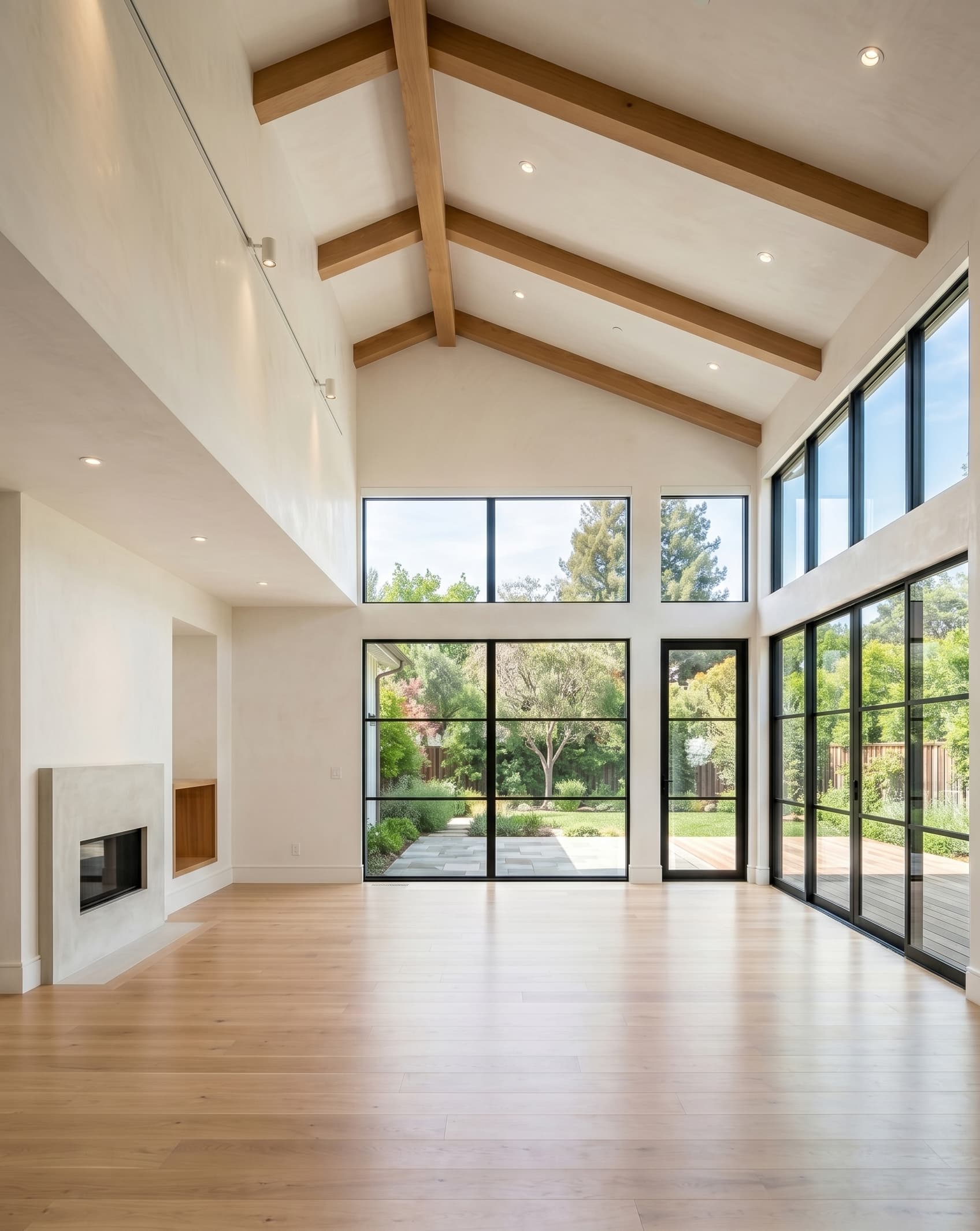
Use these examples to judge where virtual staging is enough: vacant rooms that need clearer purpose, warmer online presentation, and transparent before-and-after review.



Buyer pain
The tradeoff: physical presence vs digital speed and overhead
Physical staging can be powerful for high-value showings, but it requires furniture, movers, scheduling, setup, and property access.
Virtual staging is a better fit when the listing mainly needs stronger online presentation before buyers decide whether to walk through.
The safest virtual workflow keeps originals paired and avoids changing fixed features, hiding defects, or pretending the property is currently furnished.
Workflow
How the virtual staging workflow works
Upload one room or a full property, generate staged visuals, and review originals and results in one listing workflow.
01
Upload one room or a batch
Start with real property photos and keep the rooms grouped around the listing.
02
Generate staged options
Create listing-ready staging while preserving the structure, light, and layout of the photographed space.
03
Review originals & exports
Compare the original and staged image before approval, disclosure, and export.
Listing advantages
Why listing teams use PropStage
Use virtual staging to make vacant rooms easier to understand online while keeping the result grounded in the real property.
Advantage
Help buyers picture the space
Give empty rooms a clear purpose so buyers can understand the space before they schedule a showing.
Advantage
Make vacant listings feel warmer online
Turn cold, empty interiors into more inviting listing visuals without changing fixed room features.
Advantage
Reduce physical staging overhead
Avoid furniture rental, movers, scheduling, and repeated setup when physical staging is too much overhead.
Advantage
Add a repeatable photo-team service
Give photographers and media vendors a practical staging add-on for repeat vacant inventory.
Use cases
Best-fit listings for virtual staging
The clearest fit is vacant or nearly vacant property photos that need stronger online presentation.
Vacant sale listings
Show the potential of empty rooms before the listing goes live.
Unfurnished rental marketing
Make empty rental rooms easier to understand before publication.
Newly finished inventory
Add warmth and purpose to newly completed spaces that photograph empty.
Photo-team add-on
Package virtual staging with real-estate photography and listing media delivery.
Who it is for
For real-estate photographers, listing media vendors, agents, and small developers
PropStage fits repeat listing-photo work: empty rooms, active inventory, and teams that need believable staging without physical furniture.
Real-estate photographers & listing media vendors
Add virtual staging to a real-estate photo workflow as a repeatable service, with paired originals for client review.
Agents & small developers
Make vacant rooms easier to understand before a listing goes live, especially when inventory is empty or newly finished.
Compare options
When to choose virtual staging or physical staging
Use physical staging when the showing itself needs furnished rooms. Use virtual staging when vacant listing photos need stronger online presentation and lower operational friction.
Option
Choose physical staging when
The property budget supports furniture rental and setup, the in-person showing experience is the priority, and the staged rooms need to exist physically.
Option
Choose virtual staging when
The listing photos need clearer buyer visualization, the property is vacant, and the team wants to avoid furniture logistics and repeated setup costs.
Option
Keep trust either way
Whether staging is physical or virtual, buyers should understand what is real, what is staged, and which fixed features belong to the property.
Listing-ready standards
Architecture-preserving virtual staging for listing-ready marketing
Keep the room recognizable, make the listing easier to understand, and use paired originals to support transparent review.
Listing-ready
Built for photos that need to ship into active listing workflows.
Architecture-preserving
The space should stay recognizable so buyers are not surprised at the showing.
Trust-building
Paired originals, clean review flow, and realistic output support transparent marketing.
FAQ
Virtual staging FAQ for listing teams
Resolve the questions that stop conversion: outcomes, trust, timing, compliance, room fit, and how virtual staging compares with physical staging.
Pricing
Three credit packs for listing-ready virtual staging.
Start with a credit pack sized to your listing volume. Virtual staging can reduce physical staging overhead, while the checkout path stays simple and tied to the active pack configuration.
Credit pack
Starter
$15
30 credits
First listings and pipeline testing
Quick pack for first listings and pipeline testing.
Recommended pack
Growth
$39
120 credits
Active weekly listing work
Balanced pack for active photographer or small listing team.
Credit pack
Studio
$99
400 credits
Agency-scale batches and team throughput
Higher-volume pack for agencies, brokers, and developer marketing teams.
Next step
Choose virtual staging for vacant photos that need stronger online presentation.
Create a workspace, stage the room digitally, and keep the original photo connected to the staged output for review.